الكاتب: Antigravity Assistant

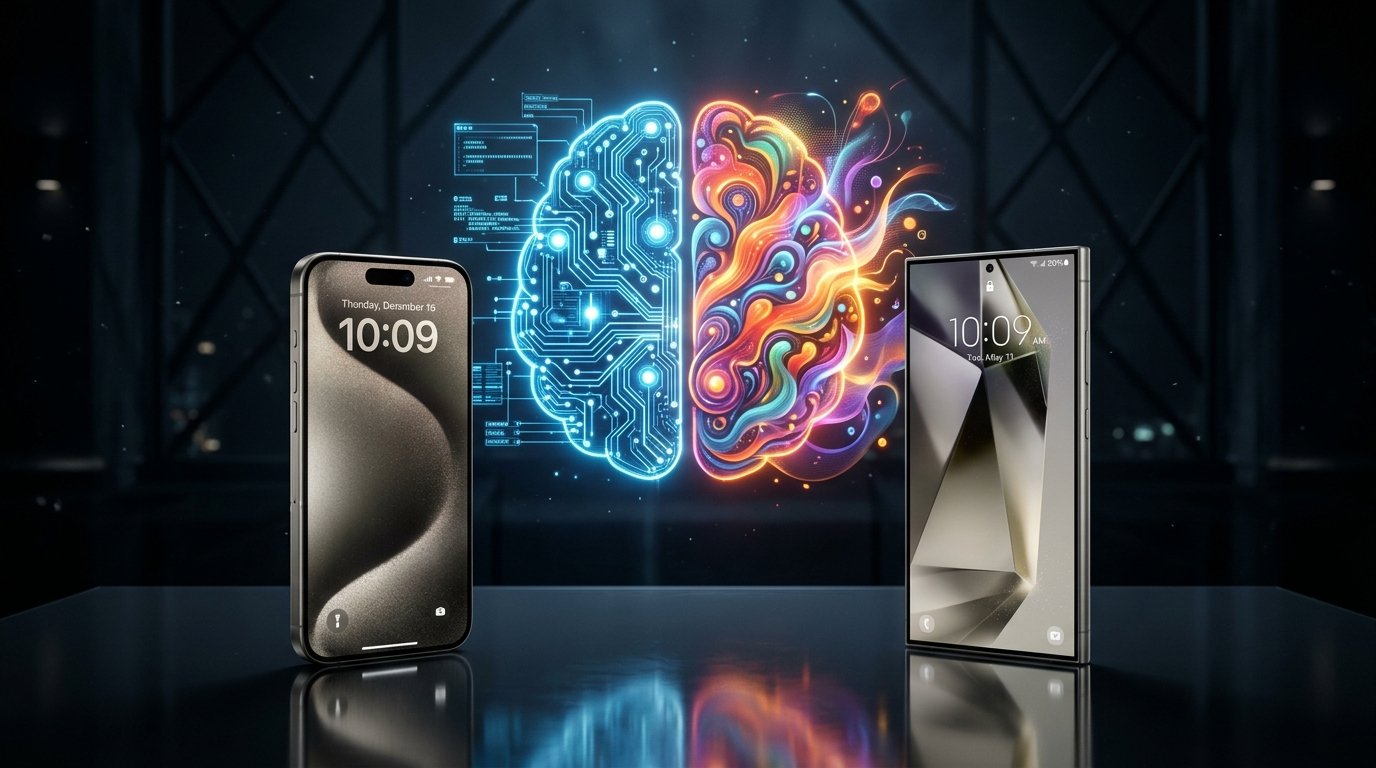
  • Is Smartphone Preference a Left or Right Brain Thing?

    Is Smartphone Preference a Left or Right Brain Thing?

    One perk of being a technology analyst is evaluating the latest mobile devices. A few weeks ago, Samsung sent me its latest premium foldable smartphone, the Galaxy Z Fold8 Ultra.

    After testing it for several weeks, something occurred to me. In fact, given my two decades as a loyal iPhone user, the learning curve on Android was surprisingly challenging.

    When you talk to longtime smartphone users, you often hear the same firm reactions. For example, people frequently say they could never switch platforms. Many people assume this preference stems from left-brain or right-brain dominance. However, modern neuroscience does not support that theory.

    Research has not found evidence that people can be categorized by brain hemisphere dominance. For instance, a major University of Utah study of over 1,000 participants confirmed this reality. Therefore, there is no scientific basis for claiming certain brains are wired for iOS or Android. Instead, user preference is driven by years of learned behavior and digital habit.

    iOS and Android Have Trained Us for Two Decades

    Apple launched the iPhone in 2007, while commercial Android phones arrived in 2008. Consequently, consumers have spent nearly two decades becoming accustomed to one specific operating system.

    That daily repetition matters immensely. Longtime users do not consciously think about navigating their home screens or managing notifications. Their muscle memory takes over automatically. In psychology, this process is known as procedural learning, where repeated behaviors require little conscious thought.

    Furthermore, research on technology adoption emphasizes the power of habits and switching costs. Moving to a new mobile platform requires unlearning familiar behaviors. Because of this, longtime users naturally resist changing operating systems.

    This reality explains why an experienced iPhone user picking up an Android device can feel disoriented. The Android phone performs the task perfectly well. However, it simply does not match the user’s established expectations.

    Familiarity Feels Like Superior Usability

    Over the last twenty years, iOS and Android have created distinct interface patterns. Users master specific gestures, control layouts, and notification styles. Over time, these interactions become virtually invisible.

    Consider driving a car where the accelerator and brake pedals are suddenly reversed. In theory, the car functions normally. However, your immediate reaction would be intense frustration because your mental model no longer applies.

    Ultimately, smartphone loyalty is not about brain wiring. Instead, it reflects deep cognitive habits shaped by years of daily digital interaction—principles that drive modern responsive web design and user experience engineering.

  • هل يرتبط تفضيل الهواتف الذكية بنصفي الدماغ الأيمن أو الأيسر؟ علم النفس وتجربة المستخدم

    هل يرتبط تفضيل الهواتف الذكية بنصفي الدماغ الأيمن أو الأيسر؟ علم النفس وتجربة المستخدم

    يعد تقييم أحدث الأجهزة الذكية تجربة غنية تكشف الكثير عن سلوك المستهلك الرقمي. في الآونة الأخيرة، أتيحت لي فرصة اختبار أحد الهواتف القابلة للطي الرائدة من سامسونج. بعد استخدامه لعدة أسابيع متواصلة، لفت انتباهي أمر جوهري: بالنسبة لمستخدم اعتاد على هواتف آيفون لعقدين كاملين، كان الانتقال إلى نظام أندرويد يمثل تحدياً غير متوقع في البداية.

    عند التحدث مع مستخدمي الهواتف الذكية القدامى، كثيراً ما نسمع ردود فعل حاسمة تؤكد صعوبة التبديل بين المنظومتين. علاوة على ذلك، يفترض كثيرون أن تفضيل الهواتف الذكية يعود إلى سيطرة النصف الأيمن أو الأيسر من الدماغ. ومع ذلك، تؤكد أبحاث علم الأعصاب الحديثة عدم صحة هذه الفرضية الشائعة على الإطلاق.

    في الواقع، لم تجد الدراسات العلمية أي دليل يثبت أن البشر يصنفون حسب هيمنة أحد نصفي الدماغ. على سبيل المثال، أكدت دراسة موسعة أجرتها جامعة يوتا على أكثر من 1,000 مشارك أن نصفي الدماغ يعملان معاً بتكامل تام. بناءً على ذلك، لا يوجد أي أساس علمي يدعي أن أدمغة معينة مبرمجة لنظام iOS وأخرى لنظام أندرويد. بل إن تفضيل الهواتف الذكية ينبع أساساً من سنوات طويلة من السلوك المكتسب والعادات الرقمية اليومية.

    كيف دربتنا أنظمة الهواتف على مدار عقدين من الزمن؟

    أطلقت شركة آبل أول هاتف آيفون في عام 2007، بينما ظهرت هواتف أندرويد التجارية الأولى في عام 2008. نتيجة لذلك، أمضى المستهلكون قرابة عشرين عاماً في الاعتياد على نظام تشغيل محدد وواجهات استخدام مألوفة.

    يلعب هذا التكرار اليومي دوراً حاسماً في تثبيت العادات. لا يفكر المستخدم القديم بوعي عندما يتنقل بين الشاشات الرئيسية أو يتعامل مع الإشعارات، بل تتولى الذاكرة الحركية والإجرائية إدارة هذه التفاعلات تلقائياً. في علم النفس المعرفي، يُعرف هذا المفهوم بالتعلم الإجرائي (Procedural Learning)، حيث تصبح الممارسات المتكررة تلقائية دون الحاجة إلى جهد ذهني واعي.

    بالإضافة إلى ذلك، توضح أبحاث تبني التقنية وسلوك المستهلك قوة تكاليف الانتقال والتبديل (Switching Costs). فالانتقال إلى منصة تشغيل جديدة يتطلب التخلي عن عادات راسخة واستبدالها بنماذج تفاعلية جديدة. لهذا السبب، يقاوم المستخدمون بطبيعتهم تغيير أنظمتهم المعتادة.

    يفسر هذا الواقع العلمي سبب شعور مستخدم آيفون المتمرس بالارتباك عند استخدام جهاز أندرويد للمرة الأولى. فالجهاز يعمل بكفاءة تقنية فائقة، لكنه لا يتطابق ببساطة مع التوقعات الذهنية المسبقة التي ترسخت عبر السنين.

    الألفة الرقمية وتأثيرها على تجربة المستخدم (UI/UX)

    على مدار العشرين عاماً الماضية، طورت كل من آبل وجوجل أنماطاً فريدة لواجهات الاستخدام. أتقن المستخدمون إيماءات معينة، وطرق توزيع الأزرار، وتنسيقات الإشعارات التي أصبحت جزءاً لا يتجزأ من حياتهم اليومية.

    تخيل أنك تقود سيارة تم فيها عكس موضع دواستي الوقود والفرامل فجأة. من الناحية النظرية، السيارة تعمل بأعلى درجات الكفاءة الهندسية. ولكن، ستكون ردة فعلك الأولى هي الإحباط والارتباك الشديد لأن نموذجك الذهني المكتسب لم يعد ينطبق على الواقع الجديد.

    ختاماً، لا يرتبط ولاء المستهلك لنظام هاتفه ببنية الدماغ البيولوجية. بل إنه يعكس عادات إدراكية عميقة تشكلت عبر سنوات من التفاعل الرقمي اليومي—وهي نفس المبادئ الهندسية التي توجه خدماتنا في تصميم المواقع وتطوير تجربة المستخدم في السوق السعودي.

  • قوة الهوية البصرية: لماذا تُعد العلامة التجارية أهم استثمار لك

    قوة الهوية البصرية: لماذا تُعد العلامة التجارية أهم استثمار لك

    كثير من أصحاب الأعمال يظنون أن العلامة التجارية تعني مجرد تصميم شعار. هذا كمن يقول أن بناء منزل يعني فقط اختيار الباب الأمامي! في الواقع، الشعار هو مجرد عنصر واحد من هويتك البصرية، بينما علامتك التجارية هي التجربة الكاملة والانطباع الدائم الذي تتركه في أذهان عملائك.

    العلامة التجارية: التجربة الكاملة وليست مجرد رمز

    تخيل أنك تدخل مقهى مشهوراً: الرائحة، الإضاءة، نبرة ترحيب الموظفين، تصميم الأكواب والمطبوعات، وحتى سهولة الدفع. كل تفصيلة من هذه التفاصيل هي جزء حيوي من العلامة التجارية. الشعار وحده لا يجعلك تثق بالمقهى، بل التجربة المتكاملة والمنسجمة هي التي تصنع الولاء وتدفعك للعودة مرة بعد أخرى.

    كيف تصنع الهوية البصرية القوية الثقة الفورية؟

    في سوق تنافسي وسريع النمو مثل السوق السعودي، لا يملك العميل الكثير من الوقت للمقارنة المطولة. بناءً على ذلك، تلعب الهوية البصرية دور الإشارة السريعة للمصداقية والجودة. عندما تكون الألوان، والخطوط، ومواد التسويق، والموقع الإلكتروني متسقة، يشعر العميل لا شعورياً بأن هذه الشركة مستقرة، ومنظمة، وتهتم بأدق التفاصيل.

    تأثير الهوية البصرية على قرارات الشراء والتسعير

    لماذا يدفع الناس مبالغ مضاعفة في منتجات معينة بينما يمكنهم شراء بدائل مشابهة بسعر أقل؟ السبب يكمن في القيمة المدركة (Perceived Value). الهوية البصرية الاحترافية تمنح منتجاتك وخدماتك مكانة رفيعة، وتجعل العميل يتقبل تسعيرتك بثقة تامة دون الدخول في حرب أسعار مستنزفة.

    الاتساق الرقمي: من الموقع إلى المراسلات الرسمية

    لا تكتمل قوة علامتك التجارية إلا عندما يمتد هذا الاتساق عبر كافة نقاط التماس مع عملائك؛ بدءاً من تصميم موقعك الإلكتروني السريع والمستقر، وحتى اعتماد البريد الإلكتروني الرسمي باسم النطاق. هذا التناغم هو ما يحول الفكرة الواعدة إلى علامة تجارية رائدة ومستدامة.

    الاستثمار الحقيقي في هوية منشأتك

    الهوية البصرية ليست تكلفة كمالية، بل هي أصل رأسمالي يعيش لسنوات ويراكم القيمة مع كل ظهور لشركتك. إذا كنت تبني مشروعاً للمستقبل، فابدأ بتأسيس هوية بصرية متماسكة تنبض بالثقة مع تصميم موقع إلكتروني احترافي يترك بصمة لا تُنسى في ذاكرة عملائك.

  • The Strategic Power of Corporate Visual Identity: Why Branding Is Your Premier Investment

    The Strategic Power of Corporate Visual Identity: Why Branding Is Your Premier Investment

    Developing a cohesive corporate visual identity is among the most consequential strategic investments an organization can make. In fact, in an era of saturated digital marketplaces, a company’s visual language communicates its values, professionalism, and industry stature before a single word is read. Furthermore, consistent branding across web portals, social platforms, and physical collateral commands premium market pricing. Therefore, engineering an enduring visual identity drives long-term commercial success.

    The Psychology of First Impressions and Brand Recognition

    Human perception processes visual stimuli thousands of times faster than written text. Consequently, your logo, typography palette, and color harmony establish an immediate psychological anchor in prospective clients’ minds.

    A thoughtfully engineered corporate visual identity projects stability, competence, and reliability. In contrast, inconsistent visual presentations create cognitive dissonance, leading prospective buyers to question your operational maturity.

    Bilingual Typography and Cultural Resonance in Saudi Arabia

    In the Saudi market, successful branding requires sophisticated cultural fluency. A truly effective visual identity harmonizes modern Arabic calligraphy with refined Latin typography, creating visual balance across RTL and LTR mediums.

    Moreover, selecting color palettes that honor local heritage while projecting international corporate leadership positions your brand authentically within Saudi Arabia’s dynamic Vision 2030 commercial landscape.

    Extending Visual Identity Across Digital Interfaces and UI/UX

    A brand guide is incomplete if it remains confined to static PDF manuals. In contemporary web development, your visual identity must translate into dynamic, responsive design tokens.

    Standardizing interactive button states, fluid typography clamps, and card elevations ensures that users experience identical elegance across all digital touchpoints.

    Explore our bespoke brand design and corporate web development services. Additionally, discover our Saudi domain registration and digital identity solutions.

    In conclusion, brand identity is not a decorative luxury; it is a vital commercial asset. By establishing a powerful corporate visual identity, your enterprise builds lasting consumer loyalty and undisputed market prestige.

  • كم تكلفة تطبيق جوال في السعودية؟ وما الذي يحدد السعر

    كم تكلفة تطبيق جوال في السعودية؟ وما الذي يحدد السعر

    كم تكلفة تطبيق جوال في السعودية؟ مثل بناء المنازل والمواقع الإلكترونية، فإن الإجابة الأكثر دقة وموضوعية هي: “يعتمد ذلك على ما تحتاجه بالضبط”. فالتطبيق البسيط يختلف كلياً في الجهد، والوقت، والتقنيات عن التطبيقات المتكاملة التي تدير عمليات دفع، وتتبع، وخرائط فورية.

    1. العوامل الأساسية التي تحدد تكلفة التطبيق

    تتفاوت تكلفة تطوير تطبيقات الجوال بناءً على عدة محاور تقنية رئيسية:

    • طبيعة المنصات المستهدفة: هل ترغب في إطلاق التطبيق لنظامي iOS و Android معاً باستخدام تقنيات هجينة متطورة (Flutter / React Native)، أم تطوير نظام Native مخصص لكل منصة؟
    • تعقيد الميزات والوظائف: وجود بوابات دفع إلكتروني محلية (مدى، Apple Pay)، أو تتبع GPS في الوقت الحقيقي، أو غرف محادثة فورية، أو لوحات تحكم إدارية متقدمة.
    • تصميم واجهة وتجربة المستخدم (UI/UX): التصاميم الفريدة والمبتكرة تتطلب ساعات بحث وتجربة لضمان سهولة الاستخدام وزيادة معدل التحويل.

    2. تكاليف ما بعد الإطلاق: الاستضافة والصيانة

    كثير من رواد الأعمال يغفلون احتساب تكاليف التشغيل المستمر. يحتاج التطبيق الناجح إلى استضافة سحابية عالية الأداء وسريعة الاستجابة لضمان عدم بطء الاستجابة مع نمو المستخدمين، بالإضافة إلى اشتراكات المتاجر الرسمية (Apple Developer و Google Play Console) والتحديثات الدورية لمواكبة إصدارات أنظمة التشغيل الجديدة.

    3. نصائح عملية لإطلاق تطبيقك بأقل تكلفة ومخاطر

    بدلاً من محاولة بناء تطبيق عملاق دفعة واحدة، يُنصح دائماً بالبدء بنموذج أولي قابل للاختبار (MVP) يركز على الميزة الجوهرية فقط. هذا يتيح لك جمع آراء المستخدمين الحقيقيين وتطوير التطبيق لاحقاً بناءً على بيانات فعلية، مع ضمان تأسيس حضور رقمي متكامل عبر تصميم وتطوير المواقع والمنصات الرقمية ومنظومة تواصل رسمي تضمن خدمة العملاء باحترافية تامة.

  • How Much Does Mobile App Development Cost in Saudi Arabia? 2026 Enterprise Pricing Guide

    How Much Does Mobile App Development Cost in Saudi Arabia? 2026 Enterprise Pricing Guide

    Determining the realistic mobile app cost in Saudi Arabia is a critical planning milestone for enterprises expanding their digital commerce capabilities. In fact, with smartphone penetration exceeding 95% across the Kingdom, dedicated mobile applications represent powerful revenue generators and client loyalty drivers. Furthermore, development budgets vary substantially based on platform architecture, third-party integrations, and backend scalability. Therefore, analyzing primary pricing variables ensures accurate financial forecasting.

    Architectural Decisions Driving Development Budgets

    Several technical factors dictate the investment required to bring an application to market. First, deciding between native iOS/Android development and cross-platform frameworks (such as Flutter or React Native) represents the primary cost pivot.

    While cross-platform engineering reduces initial development timelines and costs, highly complex applications requiring heavy hardware integration or custom graphics often justify native development. In addition, building secure backend APIs, database schemas, and administrative control panels represents a substantial portion of total engineering effort.

    Realistic Application Pricing Tiers in the Saudi Marketplace

    To provide commercial transparency, mobile app cost in Saudi Arabia generally aligns with three core tiers:

    Standard service or catalog applications typically range between 30,000 SAR and 65,000 SAR. These include user registration, product showcases, booking capabilities, and basic push notifications.

    Advanced commercial platforms featuring Mada payment gateways, real-time GPS tracking, chat systems, and automated dispatch algorithms require investments between 65,000 SAR and 140,000 SAR.

    Complex enterprise applications, fintech solutions, and multi-sided on-demand marketplaces exceed 140,000 SAR, reflecting intensive security auditing, microservice architectures, and compliance certifications.

    Recurring Maintenance, Infrastructure, and Store Compliance

    Budgeting must extend beyond initial deployment. Factor in annual server hosting fees, database maintenance, Apple Developer and Google Play account renewals, and regular OS compatibility updates.

    Proactive post-launch maintenance ensures continuous performance and protects your application against unexpected operating system disruptions.

    Discover our specialized mobile app development and custom web engineering services. Additionally, review our e-commerce platforms and payment gateway solutions.

    In conclusion, building a mobile application requires methodical financial and technical planning. By understanding the true mobile app cost in Saudi Arabia and prioritizing engineering excellence, your business builds an invaluable digital asset for continuous growth.