الوسم: Core Web Vitals

  • Technical Guide to Optimizing Interaction to Next Paint (INP) for Superior Core Web Vitals

    Technical Guide to Optimizing Interaction to Next Paint (INP) for Superior Core Web Vitals

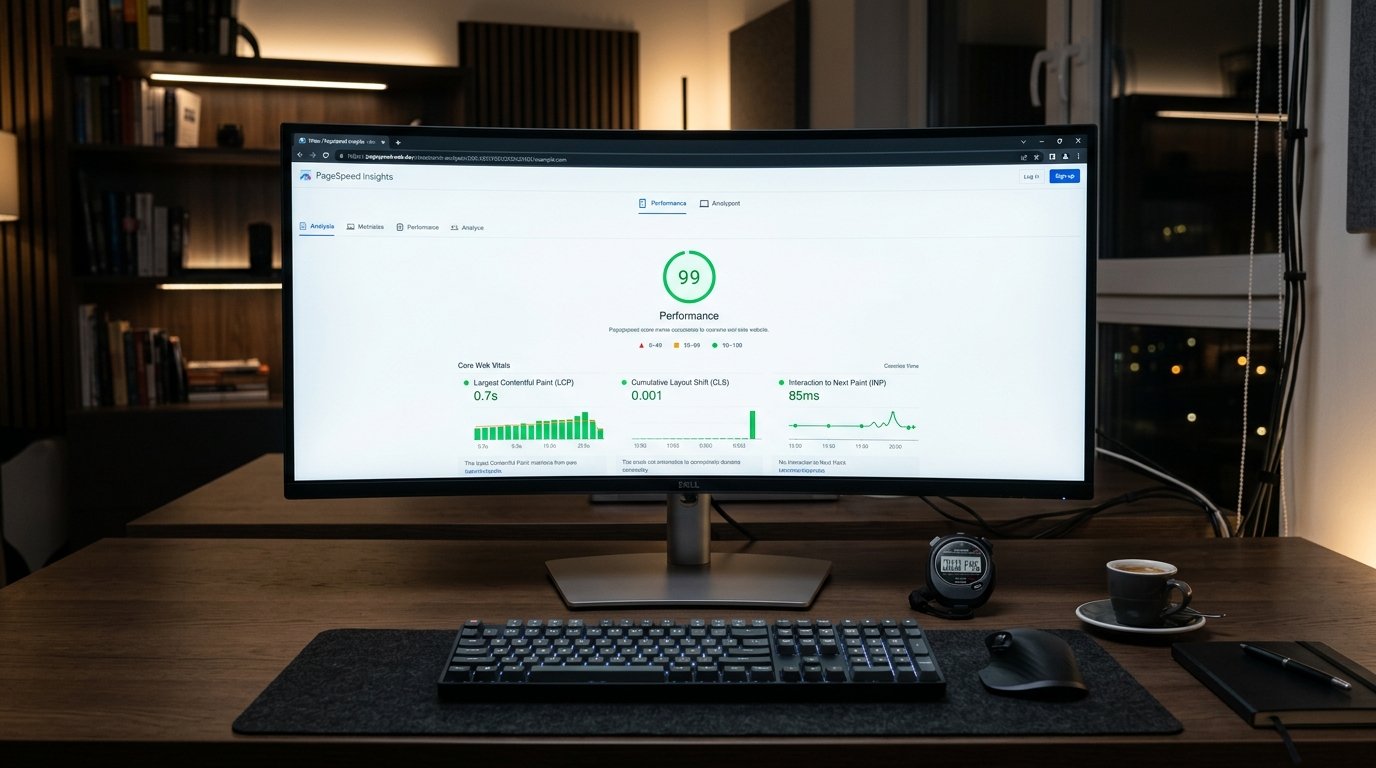
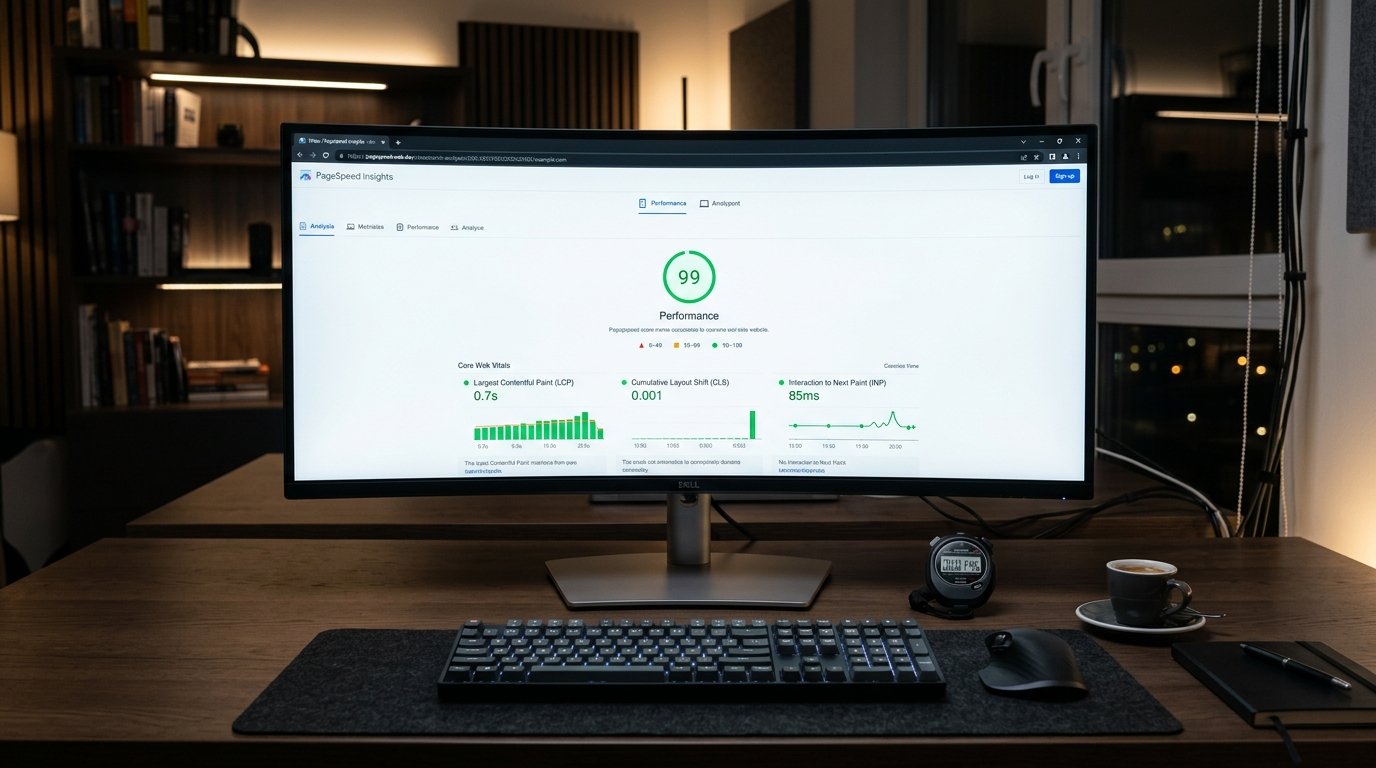
    Mastering technical SEO for INP optimization is essential for maintaining top-tier organic rankings and responsive user experiences. In fact, Interaction to Next Paint (INP) has permanently replaced First Input Delay (FID) as Google’s official Core Web Vitals responsiveness metric. Furthermore, while FID measured only initial input delay, INP evaluates every click, tap, and keypress throughout the user’s entire page visit. Therefore, diagnosing and resolving main-thread bottlenecks is critical.

    Understanding the Three Sub-Phases of INP Latency

    To optimize INP effectively, engineering teams must dissect how browsers process user interactions. In fact, total INP duration comprises input delay, processing time, and presentation delay.

    Input delay occurs when background JavaScript blocks the main thread from acknowledging user input. Processing duration represents the time required to execute event callback handlers. Presentation delay measures the browser recalculating styles and painting the updated pixels onto the display.

    Breaking Up Long Tasks and Yielding to the Main Thread

    JavaScript execution tasks exceeding 50 milliseconds are classified as Long Tasks by browser profilers. When long tasks execute continuously, user taps and clicks experience noticeable latency.

    Consequently, break complex script execution into smaller asynchronous chunks using modern browser scheduling APIs like scheduler.yield() or requestIdleCallback(). Yielding to the main thread allows browsers to handle user interactions instantaneously.

    Minimizing DOM Complexity and Layout Thrashing

    Excessive DOM element counts and deeply nested layout trees multiply presentation delay after an event fires. Avoid querying layout properties (such as offsetHeight) immediately after mutating styles, as this triggers forced synchronous layouts.

    Moreover, leverage CSS content-visibility to defer rendering of off-screen elements. Executing technical SEO for INP optimization ensures flawless performance across mobile smartphones.

    Explore our specialized Core Web Vitals and technical SEO audit services. Additionally, discover our high-speed website development solutions.

    Ultimately, snappy responsiveness keeps visitors engaged and converting. By implementing technical SEO for INP optimization across your web architecture, your organization delivers lightning-fast interactions that satisfy users and search engines alike.

  • How to Clean and Optimize Website Code for Mobile-First Performance and Lightning Page Speed

    How to Clean and Optimize Website Code for Mobile-First Performance and Lightning Page Speed

    Learning how to clean and optimize website code is essential for delivering modern, high-speed mobile experiences. In fact, code bloat, unused JavaScript libraries, and redundant CSS rules slow down browser rendering engines and frustrate smartphone users. Furthermore, Google’s mobile-first indexing algorithms penalize websites with sluggish interaction times. Therefore, executing a disciplined code optimization audit directly improves organic visibility and conversions.

    Auditing and Purging Unused CSS and Legacy JavaScript

    Over years of updates, web platforms accumulate substantial code bloat that provides no user-facing value. Consequently, conduct comprehensive coverage audits using browser developer tools to identify dead code paths.

    Purge unused third-party frameworks and replace heavy JavaScript utility libraries with native modern browser APIs. Streamlining your stylesheet bundle significantly accelerates First Contentful Paint (FCP) across mobile devices.

    Eliminating Render-Blocking Resources and Implementing Async Loading

    Browsers halt HTML document parsing whenever they encounter synchronous script tags in the document header. Therefore, move non-critical tracking scripts and interactive widgets to asynchronous or deferred loading attributes.

    In addition, inline critical path CSS required for above-the-fold hero rendering. This architectural pattern guarantees instantaneous visual rendering while secondary scripts load in the background.

    Modern Semantic HTML and Responsive Container Queries

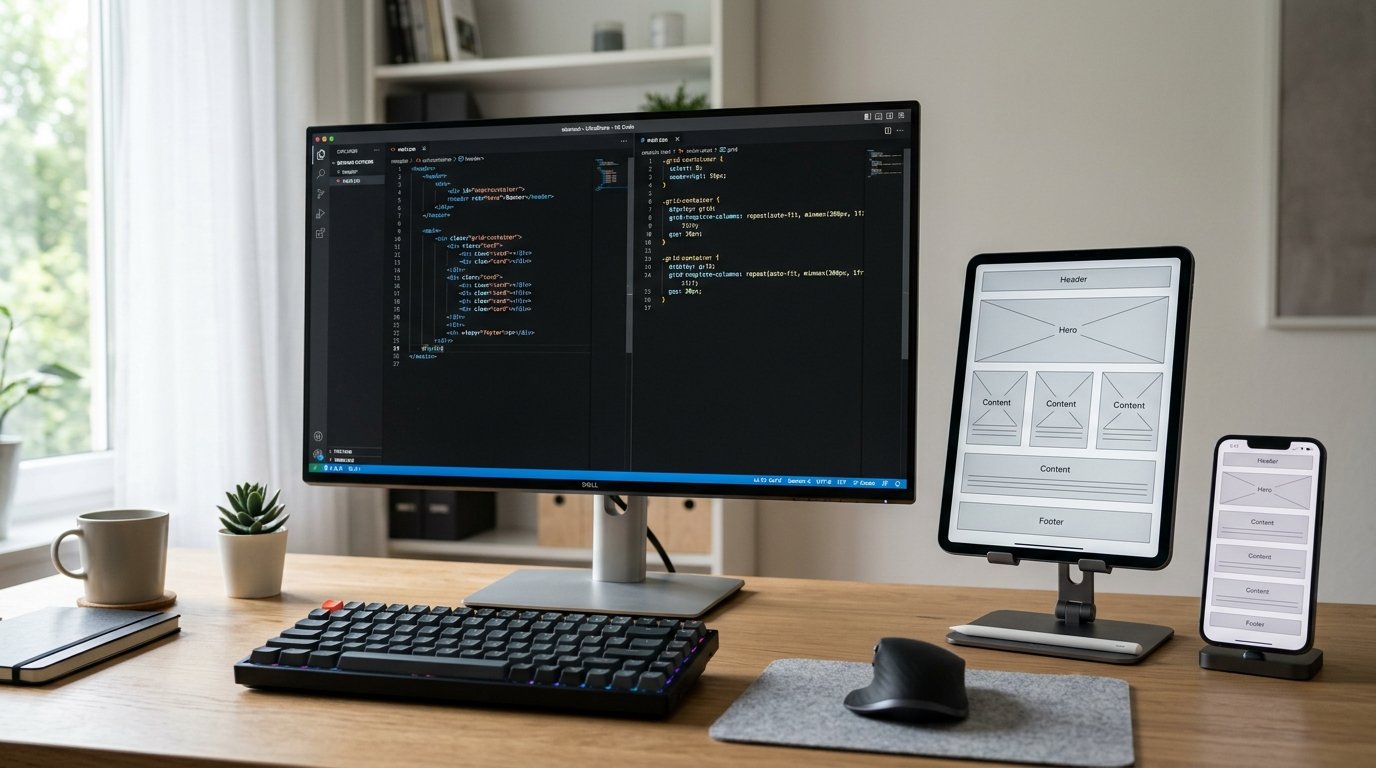
    Replace excessive nested division wrappers with clean semantic HTML5 landmark tags (such as header, nav, main, article, and section). Semantic markup reduces DOM tree depth, enabling mobile processors to parse layouts with minimal memory consumption.

    Moreover, adopt modern CSS container queries and fluid clamp typography to clean and optimize website code across all viewport configurations.

    Explore our specialized mobile-first web design and code refactoring services. Furthermore, explore our technical SEO and Core Web Vitals optimization solutions.

    Ultimately, code craftsmanship directly dictates commercial performance. When engineering teams systematically clean and optimize website code, organizations deliver seamless digital experiences that delight users and drive revenue.

  • How to Build Website Technical Architecture from Scratch: WordPress vs Custom Code Comparison

    How to Build Website Technical Architecture from Scratch: WordPress vs Custom Code Comparison

    Planning to build website technical architecture from the ground up requires evaluating long-term business goals, scalability demands, and security requirements. In fact, decisions made during foundational architecture define your platform’s operational velocity for years to come. Furthermore, choosing between modular content management systems and bespoke code determines ongoing maintenance overhead. Therefore, conducting an objective architectural assessment ensures sustainable digital success.

    Foundational Principles of Resilient Web Architecture

    Every enterprise web application relies on three foundational pillars: compute efficiency, database normalization, and presentation speed. In fact, decoupling these concerns prevents system bottlenecks as traffic scales.

    Consequently, architect clean separation between your API routing, authentication layers, and UI templates. This modularity allows your engineering team to refactor frontend components without disrupting core business databases.

    Enterprise WordPress: Speed, Extensibility, and Editorial Ease

    When content teams require daily publishing capabilities without developer bottlenecks, enterprise WordPress represents an outstanding architectural foundation.

    However, successful architecture requires stripping away unnecessary commercial plugins. By building custom lightweight themes and utilizing object caching (such as Redis), WordPress delivers sub-second page loads while preserving editorial agility.

    Custom Software Engineering: Total Control and Unlimited Scale

    For organizations with intricate transaction logic or proprietary workflows, custom development provides unmatched performance and architectural independence.

    Building with lightweight PHP, Node.js, or Next.js eliminates third-party dependencies and reduces security attack surfaces. Therefore, enterprises seeking absolute source code autonomy choose custom code to build website technical architecture.

    Discover our bespoke custom website development and software architecture services. Furthermore, explore our technical SEO and performance optimization solutions.

    In conclusion, architectural decisions dictate digital longevity. By aligning business needs with appropriate technologies to build website technical architecture, your enterprise secures an agile platform that sustains continuous growth.

  • How to Measure and Optimize Website Speed: Technical Guide to Core Web Vitals and LCP

    How to Measure and Optimize Website Speed: Technical Guide to Core Web Vitals and LCP

    Every digital leader must understand how to optimize website speed to maximize user engagement and organic search rankings. In fact, research demonstrates that even a single-second rendering delay causes measurable drop-offs in commercial conversions. Furthermore, Google includes Core Web Vitals metrics directly in its search algorithms to evaluate real user page experience. Therefore, engineering high-speed digital architectures is an undeniable competitive necessity.

    Understanding the Three Core Web Vitals Metrics

    Google defines page experience around three foundational real-world user interaction pillars:

    • Largest Contentful Paint (LCP): Measures perceived loading performance. To provide a good user experience, the main content or hero visual must render within 2.5 seconds of page initiation.
    • Interaction to Next Paint (INP): Assesses overall page responsiveness. The interface must respond to user taps, clicks, or keystrokes in under 200 milliseconds without main-thread blocking.
    • Cumulative Layout Shift (CLS): Measures visual stability. Pages must maintain a layout shift score below 0.1, preventing unexpected jumping of text or buttons while assets load.

    Eliminating Render-Blocking CSS and JavaScript

    The most common culprit behind sluggish LCP scores is render-blocking assets in the document head. When web browsers encounter external stylesheet links or synchronous scripts, they pause HTML parsing until those files download and execute.

    To eliminate this bottleneck, inline critical above-the-fold CSS directly into the HTML document head. Meanwhile, defer non-critical stylesheets and scripts using defer or async attributes.

    Furthermore, refactor oversized JavaScript bundles. Splitting monolithic scripts into dynamic, route-based chunks ensures that visitors only download the precise code needed to render the current viewport.

    Image Optimization and Next-Gen Format Deployment

    Heavy, uncompressed images are the primary cause of network congestion on modern websites. Always serve modern compressed formats—such as WebP or AVIF—which reduce file payloads by 30% to 50% compared to legacy JPEG or PNG files.

    In addition, implement responsive image syntax using srcset and sizes attributes, delivering appropriately sized visuals for mobile, tablet, and desktop screens. For above-the-fold hero banners, set fetchpriority="high" to instruct the browser to prioritize the critical asset immediately.

    Finally, always declare explicit width and height attributes on all image elements. Reserving layout dimensions in the DOM prevents Cumulative Layout Shift as images load progressively.

    Explore our specialized high-speed cloud hosting and server solutions engineered for minimal TTFB. Additionally, discover our bespoke corporate website design and development services.

    In conclusion, speed is not merely a vanity metric; it is a fundamental business engine. By taking systematic steps to optimize website speed, organizations deliver exceptional user journeys and secure lasting search advantages.

  • Top 5 Solutions to Increase Website Speed and Conversions for Businesses in Jeddah

    Top 5 Solutions to Increase Website Speed and Conversions for Businesses in Jeddah

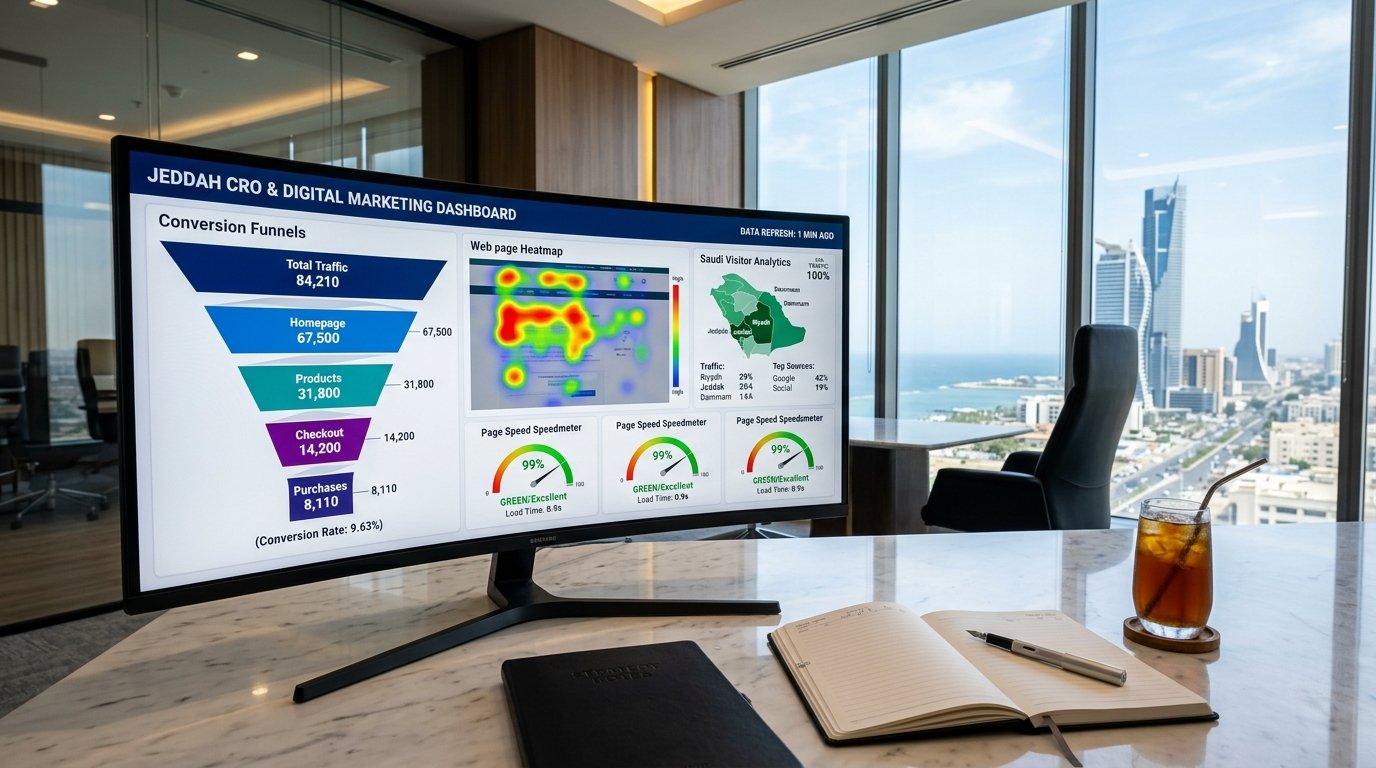
    Optimizing commercial website design in Jeddah requires tackling technical performance bottlenecks that impede user conversions. In fact, Jeddah’s bustling commercial community expects swift, seamless online interactions whether booking maritime logistics, reserving hospitality services, or buying retail goods. Furthermore, every second of loading latency directly degrades conversion rates. Therefore, deploying targeted engineering solutions transforms sluggish portals into high-converting sales engines.

    Deploying High-Speed Local Cloud Hosting Infrastructure

    Server response time (TTFB) establishes the baseline for all subsequent page rendering milestones. Consequently, migrating your website to low-latency cloud infrastructure located in Western Province data centers dramatically reduces round-trip times.

    In addition, leverage LiteSpeed or Nginx web servers configured with object caching (such as Redis) to deliver database queries instantaneously to visiting shoppers.

    Mastering Core Web Vitals (LCP, INP, and CLS)

    Google’s Core Web Vitals directly evaluate user experience and organic ranking eligibility. Specifically, optimize Largest Contentful Paint (LCP) by preloading critical hero media assets and converting legacy images to modern WebP or AVIF formats.

    Moreover, eliminate layout shifts (CLS) by assigning explicit width and height dimensions to all images and video containers, ensuring visual stability as content renders.

    Streamlining Checkout Funnels and Eliminating Form Friction

    Excessive form fields and cumbersome validation hurdles drive potential clients away at the critical conversion threshold. Simplify contact and checkout forms to the bare essentials.

    Furthermore, provide one-click payment options including Apple Pay and Mada to facilitate effortless commercial transactions. Testing these funnels continuously guarantees that website design in Jeddah produces superior revenue results.

    Discover our bespoke conversion-focused web design and development services. Additionally, review our cloud infrastructure and hosting solutions.

    In conclusion, speed and user experience represent the twin engines of digital profitability. By optimizing website design in Jeddah with modern performance standards, enterprises unlock substantial growth across regional markets.

  • Cloud Web Hosting & High-Speed Servers | Alkhowatir

    Cloud Web Hosting & High-Speed Servers | Alkhowatir

    Deploying dedicated cloud web hosting inside Saudi Arabian data facilities ensures optimal responsiveness, enterprise-grade stability, and full regulatory alignment for your digital platforms. In fact, hosting corporate systems on remote overseas servers introduces substantial latency, degrades Google rankings, and complicates regulatory compliance. Therefore, migrating to in-Kingdom cloud infrastructure guarantees 99.9% availability and millisecond response speeds.

    Strategic Benefits of Localized Saudi Cloud Architecture

    • Instantaneous Page Delivery: Minimal Time to First Byte (TTFB) for users across Riyadh, Jeddah, and the Eastern Province.
    • Data Residency & PDPL Compliance: Maintaining sensitive corporate data locally in accordance with directives from the Saudi Data & AI Authority (SDAIA).
    • Proactive DDoS Defense: Cloud firewalls that inspect and neutralize malicious traffic before it impacts production systems.
    • Automated Encrypted Backups: Daily snapshots stored in geographically isolated storage tiers for rapid disaster recovery.

    Explore our managed cloud hosting and server administration packages with 24/7 technical monitoring.

  • Local SEO Saudi Arabia: How Fast Hosting and Local Technical Support Can Improve Your Rankings

    Local SEO Saudi Arabia: How Fast Hosting and Local Technical Support Can Improve Your Rankings

    Fast hosting and reliable local technical support provide an essential foundation for local SEO in Saudi Arabia. In particular, server response times, high stability, and responsive assistance directly enhance your digital presence in the Saudi market.

    Fast Hosting and Local SEO Saudi Arabia

    When businesses work to improve their rankings on Google, attention usually focuses on content and backlinks. However, underlying technical performance remains equally critical for search visibility.

    For example, a fast and accessible website provides a superior experience for human visitors and search crawlers alike. As a result, your hosting infrastructure directly impacts your overall digital reach. Furthermore, Google relies on Core Web Vitals to assess page experience. Therefore, investing in optimized local hosting directly reinforces your organic rankings.

    1. Fast Hosting, TTFB, and Core Web Vitals

    Time to First Byte (TTFB) measures how quickly a browser receives the initial response from your server. High-speed NVMe storage and intelligent caching process incoming visitor requests with remarkable speed.

    Consequently, faster server responses substantially improve Core Web Vitals metrics, such as Largest Contentful Paint (LCP). However, rapid hosting does not replace high-value content. Instead, it creates the essential technical foundation needed for your pages to compete effectively.

    2. Server Location and Network Latency

    The physical location of your server determines the latency experienced by local visitors. Hosting your assets within Saudi Arabia significantly reduces the physical distance data must travel.

    As a result, lower latency ensures instantaneous page loading across the Kingdom. Therefore, aligning server geography with your target audience represents a proven best practice for regional SEO.

    3. Minimizing Website Downtime

    Consistent website availability protects your organic rankings against sudden drops. In addition, frequent downtime prevents visitors from reaching your conversion funnels.

    Moreover, persistent outages can disrupt search engine crawling and damage crawl efficiency. For this reason, reliable enterprise hosting delivers verified 99.9% uptime and scheduled automated backups.

    4. Local Technical Support for Sustainable Growth

    Unexpected technical complications, such as SSL certificate expirations or database anomalies, require immediate intervention. In contrast to slow overseas ticketing queues, dedicated local support in Arabic resolves issues rapidly.

    Consequently, partnering with an experienced regional team prevents costly downtime. Whether you need targeted local SEO optimization or high-performance cloud hosting, proactive local technical support safeguards both your revenue and your online reputation.