الوسم: Schema Markup

  • How to Boost SERP CTR in Google: Click-Worthy Title Tags, Meta Snippets, and Rich Enhancements

    How to Boost SERP CTR in Google: Click-Worthy Title Tags, Meta Snippets, and Rich Enhancements

    Executing systematic SERP CTR optimization is the fastest method to amplify organic website traffic without waiting months for keyword rank increases. In fact, ranking in the top five search results produces minimal business value if prospective clients consistently click competing listings. Furthermore, Google algorithms incorporate user engagement signals to validate search satisfaction. Therefore, optimizing your titles and meta snippets directly drives commercial growth.

    Engineering High-Converting and Compelling Title Tags

    Your SEO title tag acts as your round-the-clock digital advertisement on Google search pages. In fact, compelling titles address search intent directly while triggering psychological curiosity and urgency.

    Consequently, place your primary focus keyphrase near the beginning of the title where users scan first. Support your keyphrase with compelling value propositions (such as comprehensive guides, verified pricing, or expert benchmarks). Keep title length between 45 and 60 characters to prevent awkward truncation on mobile viewports.

    Crafting Persuasive and Informative Meta Descriptions

    While meta descriptions do not directly influence algorithmic ranking positions, they heavily dictate user click-through propensity. Avoid generic, dry descriptions that merely restate page headlines.

    Instead, summarize the tangible benefit readers will gain within 120 to 155 characters. End your meta description with an explicit, frictionless call-to-action encouraging users to explore your authoritative analysis.

    Securing Rich Snippets and Visual SERP Features

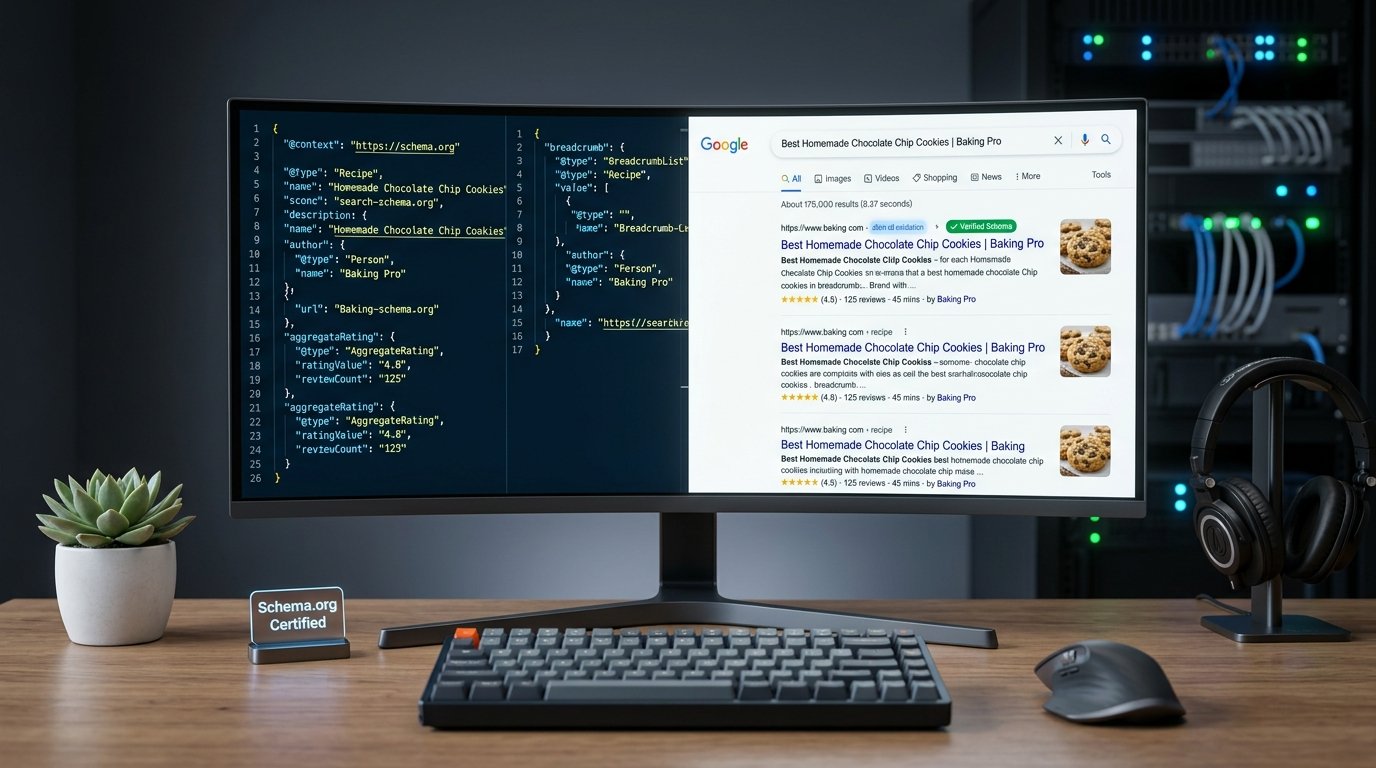
    Visual enhancements dramatically distinguish your listings from adjacent plain-text competitors. Deploy Schema.org FAQPage, HowTo, and Review markup to capture expanded vertical SERP real estate.

    In addition, monitor query impression data in Google Search Console to identify high-impression keywords with low click-through rates. Prioritizing SERP CTR optimization on these opportunities yields immediate traffic gains.

    Explore our specialized conversion rate and CTR search optimization services. Additionally, discover our bespoke website design and UI/UX development solutions.

    Ultimately, search traffic is determined by clicks, not mere impressions. By implementing disciplined SERP CTR optimization, your enterprise captures maximum market share from existing rankings and accelerates organic growth.


  • How to Implement Multilingual SEO with Hreflang Tags for Saudi Enterprise Portals Without Errors

    How to Implement Multilingual SEO with Hreflang Tags for Saudi Enterprise Portals Without Errors

    Implementing multilingual SEO with hreflang annotations correctly is vital for enterprises operating bilingual digital platforms in Saudi Arabia. In fact, corporate audiences in the Kingdom comprise both Arabic-speaking domestic leaders and multinational English-speaking stakeholders. Furthermore, misconfigured language tags cause Google to index incorrect linguistic versions or flag pages as duplicate content. Therefore, following a strict technical implementation framework guarantees flawless bilingual indexing.

    The Golden Rule of Bidirectional Reciprocal Hreflang Tags

    The single most common error in multilingual search engineering is missing return links. If an Arabic page indicates that an English equivalent exists, the English page must explicitly link back to the Arabic version.

    Without this reciprocal confirmation, search engines ignore the annotations entirely to prevent third-party spoofing. Consequently, automate hreflang tag injection within your CMS templates to ensure that paired URLs reference each other reciprocally on every single render.

    Configuring Region-Specific Language Codes and x-default

    Use precise ISO 639-1 language codes combined with ISO 3166-1 Alpha-2 country codes. In Saudi Arabia, designate ar-SA for Arabic content and en-SA for English content targeted at the Kingdom.

    In addition, include an x-default tag pointing to your primary language fallback. This designation instructs search engines which linguistic version to display to users from untargeted geographical regions.

    Maintaining Canonical URL Alignment and Sitemap Integration

    Never point a canonical tag from one language version to another. Each linguistic page must feature a self-referencing canonical tag pointing directly to its own absolute URL.

    Moreover, publish bilingual XML sitemaps that embed hreflang XHTML links directly into sitemap feeds. Mastering multilingual SEO with hreflang protects organic equity and delivers localized user experiences.

    Explore our specialized multilingual SEO and technical search architecture services. In addition, explore our bilingual corporate web design and development solutions.

    Ultimately, bilingual harmony requires engineering precision. By executing flawless multilingual SEO with hreflang, your enterprise projects international stature while commanding local organic search across all target demographics.

  • How to Diagnose and Fix Indexing Errors in Google Search Console: Practical Webmaster Guide

    How to Diagnose and Fix Indexing Errors in Google Search Console: Practical Webmaster Guide

    Learning how to fix indexing errors in Search Console is a vital skill for digital marketers, webmasters, and engineering teams. In fact, if Google cannot crawl and index your pages cleanly, even the highest-quality editorial content will remain completely invisible in organic search results. Furthermore, recurring crawl errors waste server resources and degrade site-wide crawl equity. Therefore, following a methodical troubleshooting protocol restores healthy indexation.

    Deciphering the Google Search Console Page Indexing Report

    The Page Indexing report categorizes excluded URLs into specific technical classifications. In fact, understanding the difference between intentional exclusions and genuine technical bugs is the first step in effective diagnosis.

    For example, pages marked as Discovered – currently not indexed usually indicate crawl budget constraints or weak internal link equity. Consequently, bolstering internal links and improving server response times often resolves the issue swiftly.

    Resolving Crawled – Currently Not Indexed and Quality Gaps

    When Google crawls a URL but deliberately chooses not to index it, the algorithm has typically detected duplicate content, thin value, or weak topical relevance.

    Therefore, review the affected URLs for content depth and unique business insights. Consolidate overlapping pages, expand technical explanations, and update canonical tags to guide search crawlers toward your primary authoritative versions.

    Fixing 404 Not Found, Redirect Loops, and Canonical Conflicts

    Dead links and broken redirects create frustrating user experiences and disrupt search engine spiders. Inspect the 404 and redirect reports regularly to identify legacy URLs that require permanent 301 redirection.

    Furthermore, ensure that canonical tags point strictly to valid, 200 OK indexable routes rather than intermediate redirect hops. These proactive steps allow teams to fix indexing errors in Search Console effectively.

    Review our comprehensive technical SEO and search audit services. Additionally, explore our enterprise website design and maintenance solutions.

    In conclusion, indexing health forms the foundation of all search visibility. By taking decisive action to fix indexing errors in Search Console, webmasters protect organic equity and ensure continuous digital reach.

  • How to Implement Schema.org Structured Data with JSON-LD to Win Google Rich Snippets

    How to Implement Schema.org Structured Data with JSON-LD to Win Google Rich Snippets

    Implementing Schema.org structured data using clean JSON-LD scripts is among the most effective technical SEO strategies available. In fact, providing search engine crawlers with explicit semantic context eliminates guesswork and elevates standard search results into eye-catching rich snippets. Furthermore, listings featuring review stars, pricing details, or FAQ accordions achieve substantially higher click-through rates. Therefore, deploying structured data is fundamental to modern digital visibility.

    Why JSON-LD Represents the Industry Standard for Structured Data

    While microdata and RDFa formats embed annotations directly into visible HTML markup, JSON-LD operates inside clean, decoupled script tags in the page header. In fact, Google explicitly recommends JSON-LD as the preferred schema syntax.

    Consequently, developers can maintain and validate schema objects without risking visual layout bugs or HTML parsing errors. This separation of concerns ensures effortless maintenance as site features expand.

    Essential Schema Types for Corporate and E-Commerce Portals

    Every commercial website should deploy foundational schema types. First, implement Organization and LocalBusiness schemas detailing your official corporate name, physical address, phone contact, and social profiles.

    Second, utilize Article and BlogPosting schemas on informational guides to define author credentials, publication timestamps, and featured image assets. Third, deploy Product and Service schemas to showcase commercial offerings directly in SERP snippets.

    Validating Structured Data and Monitoring Rich Results in GSC

    Never deploy schema code to production without thorough technical verification. Utilize Google’s Rich Results Test tool to inspect markup syntax and verify eligibility for enhanced search features.

    Furthermore, monitor the Enhancements report inside Google Search Console to detect and resolve warnings before they impact organic performance. Implementing Schema.org structured data correctly delivers measurable commercial dividends.

    Discover our specialized technical SEO and Schema markup implementation services. In addition, explore our bespoke website design and development solutions.

    Ultimately, structured data builds an explicit communication channel with search engines. By embedding Schema.org structured data throughout your platform, your enterprise commands prominent search real estate and attracts qualified organic visitors.

  • How to Connect Google Search Console and GA4: Complete Sitemaps and Indexing Guide

    How to Connect Google Search Console and GA4: Complete Sitemaps and Indexing Guide

    Learning how to connect Google Search Console and Google Analytics 4 (GA4) is essential for monitoring organic visibility and user acquisition. In fact, these authoritative platforms provide first-party diagnostics regarding how search crawlers interpret your website. Furthermore, linking both tools enables teams to correlate organic keyword rankings with on-site engagement. Therefore, setting up proper verification and sitemap submissions forms the backbone of digital governance.

    Verifying Domain Ownership via DNS and Meta Tags

    To access search performance data, you must first prove administrative ownership to Google. While HTML file uploads and meta tags remain available, DNS TXT record verification provides the highest level of coverage.

    A DNS-level Domain Property captures all subdomains, protocols (HTTP and HTTPS), and path variations under one unified dashboard. Consequently, add the provided Google verification TXT string to your domain’s DNS zone file. Once DNS propagation finishes, Google Search Console will authenticate your property immediately.

    In addition, deploy GA4 tracking tags via Google Tag Manager or direct asynchronous script integration. Ensuring clean tag firing across all viewport templates prevents data discrepancies between sessions and organic clicks.

    Submitting Dynamic XML Sitemaps for Rapid Discovery

    After verifying your property, the next vital milestone is XML sitemap submission. A properly structured sitemap acts as an architectural roadmap for Googlebot, highlighting canonical URLs, last modification timestamps, and multilingual hreflang annotations.

    Avoid static sitemaps that quickly become outdated. Instead, configure dynamic sitemaps that automatically refresh whenever new articles or service pages go live. Furthermore, submit distinct sitemaps for separate media formats or language clusters where necessary.

    Regularly inspect the Sitemaps report in your console. If Google flags crawl anomalies or excluded URLs, resolve canonical conflicts or robots.txt restrictions promptly.

    Linking GA4 with Search Console for Unified Intelligence

    To eliminate reporting silos, connect Google Search Console directly to your GA4 property through the Admin settings panel. Consequently, this native integration populates dedicated Search Console reports inside your GA4 workspace.

    Marketers can analyze organic search queries alongside real user conversions, session durations, and bounce behavior. This multi-source perspective reveals which high-impression keywords successfully drive commercial actions.

    Discover our comprehensive enterprise SEO and search intelligence services to optimize organic rankings. Additionally, explore our bespoke website design and development solutions engineered for measurement precision.

    In conclusion, establishing accurate telemetry is fundamental to search success. When you connect Google Search Console with GA4, you gain actionable intelligence to refine content, resolve technical bottlenecks, and accelerate organic growth.