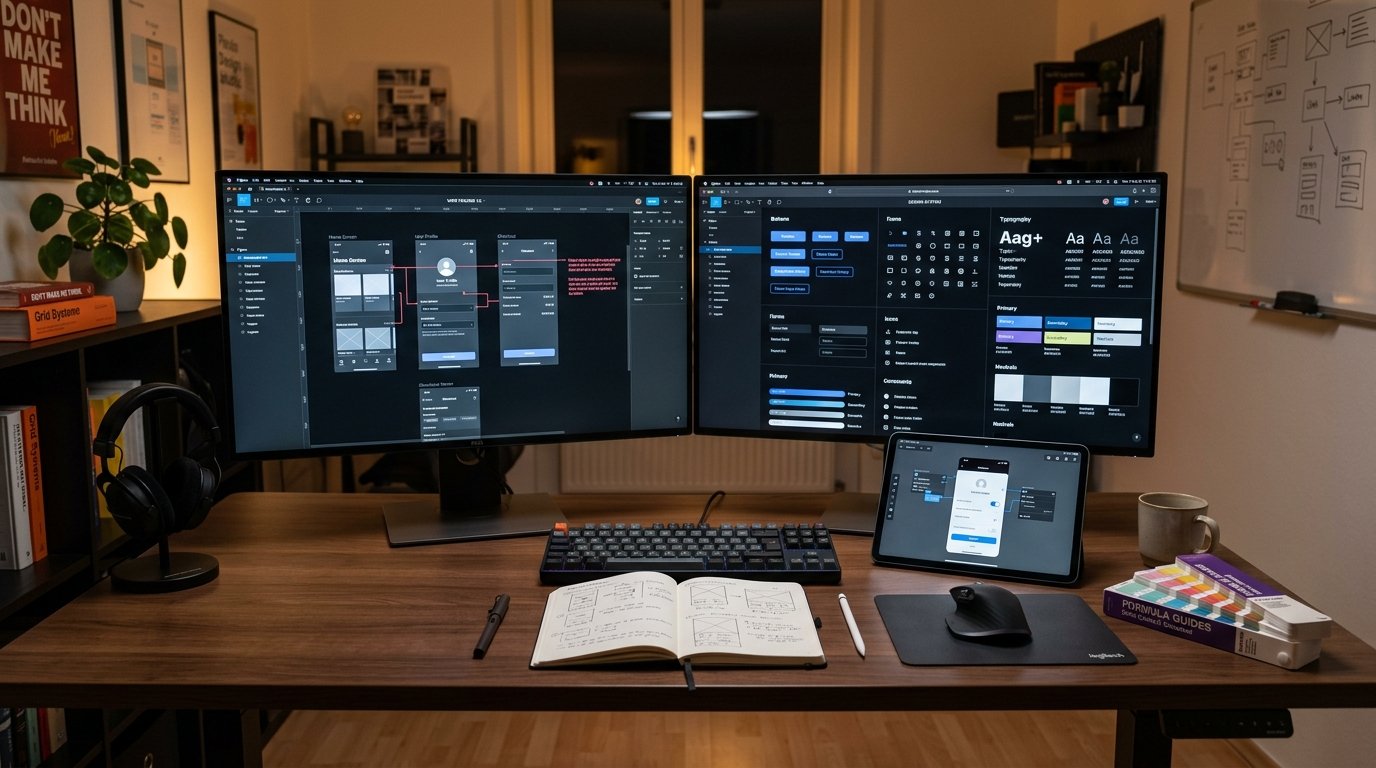
Prioritizing UX/UI design optimization is the decisive factor that differentiates high-performing commercial websites from platforms that suffer immediate visitor abandonment. In fact, behavioural studies show that online visitors form lasting credibility impressions within fifty milliseconds of page rendering. Therefore, streamlined navigation, balanced typography, and frictionless inquiry forms directly amplify sales conversions and contract inquiries.
Core Principles of Arabic-First User Experience Engineering
To engage decision-makers effectively in the Saudi business ecosystem, your digital interfaces must observe key design heuristics:
Right-to-Left (RTL) Optical Hierarchy: Structuring eye flow, primary buttons, and navigational breadcrumbs according to natural Arabic reading habits.
Cognitive Clarity & Reduced Distraction: Eliminating disruptive popups in favour of focused, scannable value propositions.
Mobile-First Ergonomics: Ensuring vital interactive controls and form inputs are comfortably accessible for one-handed thumb interaction.
Instantaneous Visual Rendering: Optimizing images and layout stability to pass Core Web Vitals with flawless scores.
Furthermore, interface benchmarks established by the Nielsen Norman Group (NN/g) highlight how clear usability heuristics reduce task abandonment and improve user loyalty.
اقرأ أيضاً
علاوة على ذلك، يمكنك الاطلاع على مقالاتنا ذات الصلة:
Evaluating website design cost in Saudi Arabia requires understanding the specific technical architecture and regulatory integrations required for commercial success. In fact, modern corporate websites in the Kingdom must satisfy robust compliance standards regarding consumer data protection and electronic invoicing. Furthermore, integrating seamless local payment channels directly influences project engineering and budgetary requirements. Therefore, forward-thinking enterprises prioritize tailored software solutions over rigid commercial templates to secure superior returns on investment.
Key Factors Defining Website Design Cost in Saudi Arabia
The total investment for enterprise web development depends directly on several technical variables. Specifically, these critical components define project pricing:
Architectural Scope and UI/UX Complexity: Engineering bespoke bilingual interfaces with dedicated Arabic (RTL) and English (LTR) typography requires sophisticated frontend precision.
Saudi Payment Gateway Integrations: Implementing certified payment processors supporting Mada debit cards, Apple Pay, and local credit facilities.
Local Cloud Infrastructure & Compliance: Deploying on verified Saudi cloud data centers in compliance with national Personal Data Protection Law (PDPL) requirements.
Project Categories and Website Design Cost Tiers
Commercial web initiatives generally align with specific functional tiers that reflect organizational objectives. Consequently, projects can be categorized into four distinct levels:
Corporate Brand Showcase: Tailored for emerging ventures requiring high-authority brand positioning, responsive design, and validated lead generation forms.
Enterprise SME Portals: Engineered for expanding businesses demanding multi-tier service catalogs, dynamic blog architecture, and search optimization.
Bespoke Enterprise Web Applications: Custom architectures providing deep REST API connectivity with enterprise ERP and CRM databases.
Transparent Pricing and Engineering Governance
At Alkhowatir, we implement transparent, scope-based pricing where solutions are tailored upon request. Consequently, this bespoke approach guarantees that your investment delivers measurable performance without hidden maintenance liabilities. Moreover, our structured development process ensures strict adherence to cybersecurity benchmarks.
Investing in professional corporate website design is the foundational imperative for establishing digital authority and institutional trust in Saudi Arabia. Indeed, government entities, industrial procurers, and corporate clients expect a high-performance digital presence before entering formal contracts. Consequently, operating with an outdated or slow website compromises your brand reputation and forfeits lucrative commercial opportunities.
Why Saudi Enterprises Need Custom Web Architecture
Saudi Arabia’s business landscape is undergoing rapid digital modernization under Vision 2030. Therefore, generic web templates no longer satisfy the expectations of enterprise clients. Instead, corporate leaders require bespoke web platforms that showcase verified credentials, executive case studies, and official certifications. Furthermore, national digital initiatives spearheaded by Small and Medium Enterprises General Authority (Monsha’at) actively encourage enterprises to adopt world-class digital platforms to accelerate commercial growth.
Key Standards for High-Performing Corporate Websites
Native RTL Arabic & LTR English Parity: Flawless visual hierarchy and typographic balance across both language systems.
Sub-Two-Second Page Delivery: Rapid loading across Saudi 5G networks to minimize bounce rates and maximize engagement.
Cybersecurity and Privacy Compliance: Full alignment with national personal data protection regulations (PDPL).
Direct Lead Generation Pathways: Prominent quotation forms and instant WhatsApp Business integration for immediate inquiries.
اقرأ أيضاً
علاوة على ذلك، يمكنك الاطلاع على مقالاتنا ذات الصلة:
Implementing genuine Arabic-First UX design is essential for organizations expanding across the Kingdom of Saudi Arabia. Therefore, building portals tailored to regional executive expectations demands structural parity, bidirectional layouts, and optimized digital performance.
Engineering high-performance bilingual web portals for Saudi decision-makers
Why Superficial Localization Fails with Enterprise Buyers
Flipping an English stylesheet with a simple direction: rtl rule creates severe visual defects. Furthermore, automated translation tools fail to capture the dignified tone required in Saudi B2B commerce. Consequently, corporate procurement directors quickly lose confidence in vendors whose portals appear poorly adapted.
The Four Engineering Pillars of Bidirectional Portals
1. CSS Logical Properties for Seamless Fluidity
Modern layouts replace legacy directional properties with logical alternatives such as margin-inline-start and padding-inline-end. In addition, this modern standard eliminates duplicate stylesheets across Arabic and English pages. Therefore, page weight drops significantly while Core Web Vitals improve.
2. Dynamic Arabic Typography and Line Spacing
Arabic scripts possess distinct vertical loops and ascending markers that differ fundamentally from Latin fonts. Consequently, designers must maintain proportional line heights between 1.6 and 1.8 to prevent visual clipping. Moreover, verified font optimization guidelines published by the W3C Internationalization Working Group highlight the importance of native text flow.
3. Controlled Iconography and Visual Flow
While progress bars and navigation arrows must mirror in right-to-left mode, universal symbols like search lenses and cameras must remain unmirrored. Furthermore, maintaining visual hierarchy ensures intuitive navigation for regional buyers. As a result, users complete inquiries without cognitive friction.
4. Mobile-First Optimization for Fast B2B Workflows
Over 85% of regional enterprise decision-makers evaluate prospective partners on handheld devices during busy workdays. Therefore, high-converting platforms convert dense desktop tables into swipeable cards and frictionless inquiry steps. Consequently, spontaneous mobile visits translate directly into verified RFQs.
Driving Commercial Velocity Through Design Integrity
A corporate portal functions as an automated sales engine rather than a static brochure. Therefore, investing in deliberate Arabic-First UX design builds instant credibility with government entities, industrial conglomerates, and enterprise partners across Riyadh, Dammam, and Al Khobar.
اقرأ أيضاً
علاوة على ذلك، يمكنك الاطلاع على مقالاتنا ذات الصلة:
Developing a cohesive corporate visual identity is among the most consequential strategic investments an organization can make. In fact, in an era of saturated digital marketplaces, a company’s visual language communicates its values, professionalism, and industry stature before a single word is read. Furthermore, consistent branding across web portals, social platforms, and physical collateral commands premium market pricing. Therefore, engineering an enduring visual identity drives long-term commercial success.
The Psychology of First Impressions and Brand Recognition
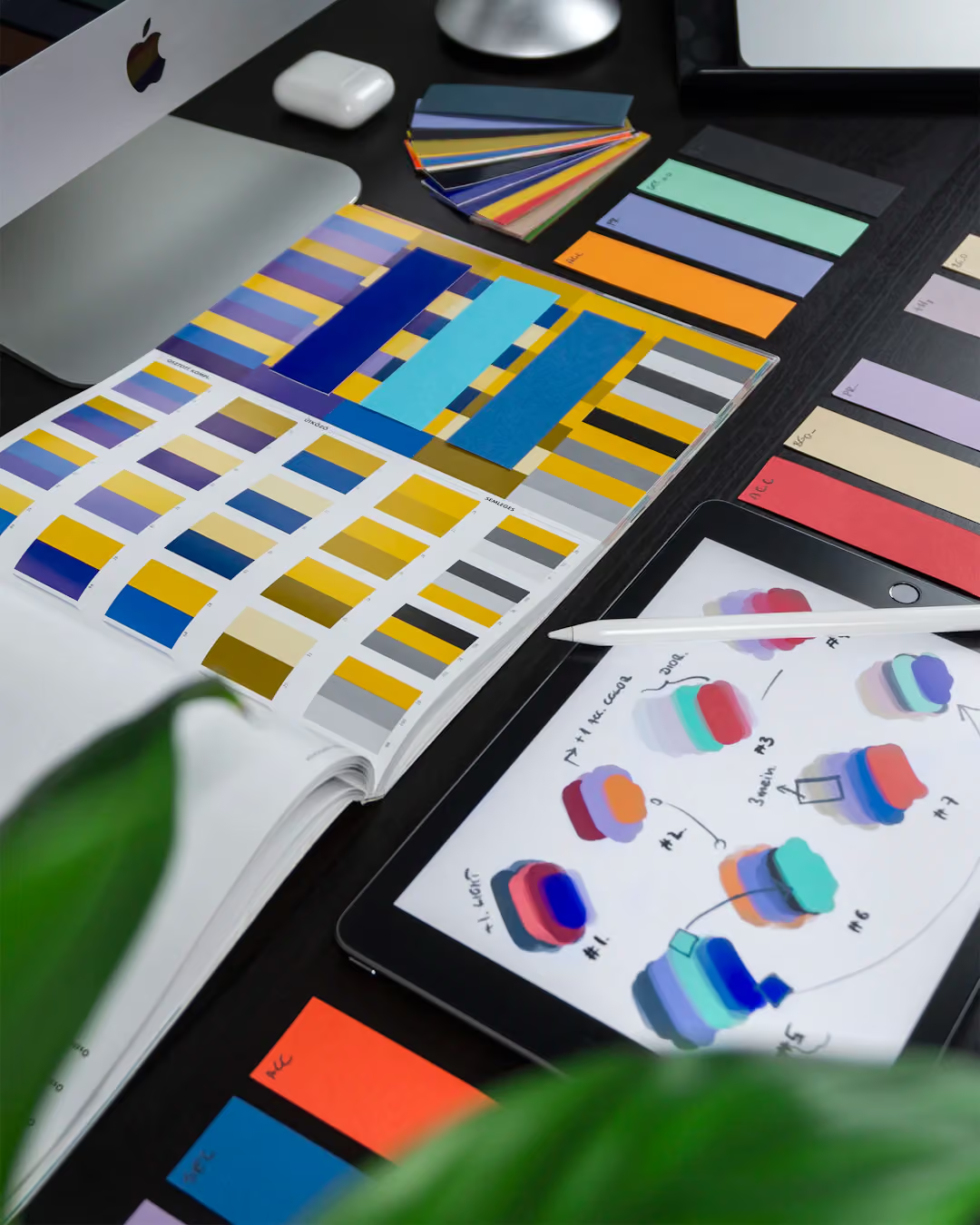
Human perception processes visual stimuli thousands of times faster than written text. Consequently, your logo, typography palette, and color harmony establish an immediate psychological anchor in prospective clients’ minds.
A thoughtfully engineered corporate visual identity projects stability, competence, and reliability. In contrast, inconsistent visual presentations create cognitive dissonance, leading prospective buyers to question your operational maturity.
Bilingual Typography and Cultural Resonance in Saudi Arabia
In the Saudi market, successful branding requires sophisticated cultural fluency. A truly effective visual identity harmonizes modern Arabic calligraphy with refined Latin typography, creating visual balance across RTL and LTR mediums.
Moreover, selecting color palettes that honor local heritage while projecting international corporate leadership positions your brand authentically within Saudi Arabia’s dynamic Vision 2030 commercial landscape.
Extending Visual Identity Across Digital Interfaces and UI/UX
A brand guide is incomplete if it remains confined to static PDF manuals. In contemporary web development, your visual identity must translate into dynamic, responsive design tokens.
Standardizing interactive button states, fluid typography clamps, and card elevations ensures that users experience identical elegance across all digital touchpoints.
In conclusion, brand identity is not a decorative luxury; it is a vital commercial asset. By establishing a powerful corporate visual identity, your enterprise builds lasting consumer loyalty and undisputed market prestige.